Innovative Approaches to Medical Plastics Machining for Better Patient Outcomes
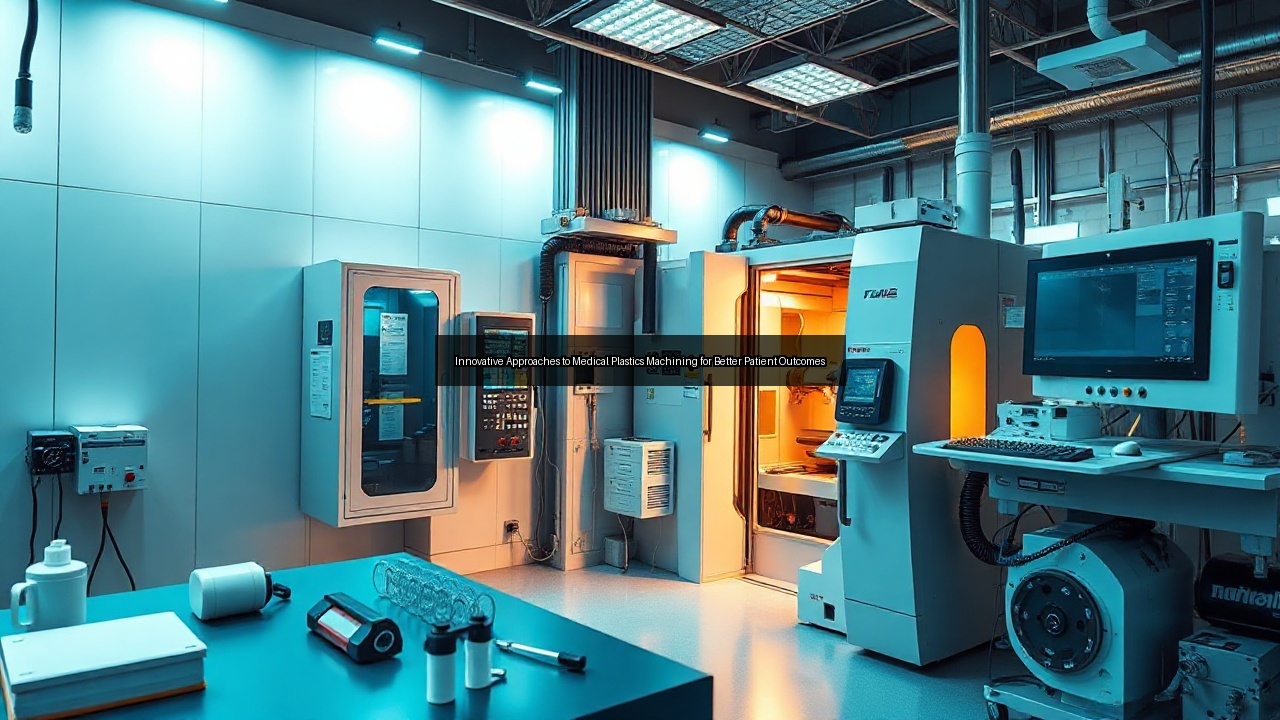
The Role of Medical Plastics in Healthcare
Understanding Medical Grade Plastics
Medical grade plastics play a critical role in the healthcare industry, providing essential components for a variety of medical devices. These specialized plastics undergo rigorous testing and certification processes to ensure they meet stringent quality standards. Unlike traditional plastics, medical grade options are designed to withstand the demanding conditions of medical environments, including sterilization processes and exposure to bodily fluids. Manufacturers like Genesis Medical Plastics and Ensinger focus on producing materials that not only meet regulatory requirements but also offer durability and reliability in critical applications.
Types of Thermoplastics Used in Medical Devices
Thermoplastics dominate the landscape of medical device manufacturing due to their versatility and performance characteristics. Common types include polycarbonate, polyethylene, and polystyrene, each offering unique properties suited for specific applications. Polycarbonate, for instance, provides high impact resistance and clarity, making it ideal for transparent components. Polyethylene's chemical resistance and low friction properties make it a favorite for surgical instruments. Understanding the different thermoplastics and their applications is crucial for manufacturers aiming for excellence in medical plastics machining, ensuring that each device meets the specific needs of patients and healthcare professionals.
Biocompatibility and Its Importance in Medical Applications
Biocompatibility stands as a cornerstone in the selection of materials for medical applications. This characteristic determines how a material interacts with biological systems, affecting patient safety and device efficacy. Medical devices often come into contact with tissues or fluids, necessitating a thorough evaluation of the plastic’s compatibility with the human body. Regulatory bodies, including the FDA, mandate comprehensive testing to confirm that materials do not elicit adverse reactions. Manufacturers must prioritize biocompatible materials to avoid complications, thereby enhancing patient outcomes and fostering trust in medical technology.
Innovative Machining Techniques for Medical Plastics
CNC Machining: Precision in Medical Device Manufacturing
CNC machining has revolutionized the production of medical devices by offering unparalleled precision and efficiency. This technique enables manufacturers to create complex geometries with tight tolerances, essential for components that require exact specifications. CNC machines operate using computer-aided design (CAD), allowing for rapid prototyping and the ability to produce customized solutions for unique medical applications. By utilizing CNC machining, companies can ensure consistency across batches, reduce waste, and ultimately improve the quality of medical plastics machining. This level of precision is crucial, particularly in high-stakes environments such as surgical procedures and diagnostic equipment.
Near Net Shapes for Enhanced Efficiency
Near net shape manufacturing techniques are gaining traction in the medical plastics machining industry due to their ability to reduce material waste and production time. This approach involves creating components that are close to the final shape, minimizing the need for extensive post-processing. By utilizing methods such as injection molding or extrusion, manufacturers can produce parts that require less machining and finishing work, yielding significant cost savings. This efficiency is particularly beneficial in the production of high-volume medical devices, where speed and accuracy directly impact patient care. Adopting near net shape strategies not only enhances productivity but also aligns with sustainability goals by reducing scrap material.
Advancements in Extruded Plastics Machining
Extrusion remains a vital process in the creation of medical components from thermoplastics. Recent advancements in extruded plastics machining have led to improved techniques that enhance product quality and performance. Innovations in equipment and processes allow for better control over material properties and dimensions, ensuring that extruded parts meet the rigorous demands of medical applications. Manufacturers can achieve tighter tolerances and improved surface finishes, which are crucial for components that require sterilization and safe use in healthcare settings. As the market continues to evolve, advancements in extruded plastics machining will play a significant role in meeting the increasing demand for high-quality medical devices.
Quality Standards and Regulations in Medical Plastics Machining
FDA Regulations for Medical Grade Plastics
The FDA imposes strict regulations on medical grade plastics to ensure safety and efficacy in medical devices. Manufacturers must navigate a complex regulatory landscape that includes premarket approval, quality system regulations, and ongoing compliance checks. Each material used in the production of medical devices must undergo rigorous testing to confirm its safety, biocompatibility, and performance under various conditions. Adhering to these regulations not only safeguards patient health but also enhances the credibility of manufacturers in the competitive landscape of medical plastics machining. Companies that prioritize compliance can foster greater trust with healthcare providers and patients alike.
Ensuring Tolerances in Medical Device Manufacturing
Maintaining tight tolerances is imperative in medical device manufacturing, as even minor deviations can lead to serious consequences. Manufacturers employ advanced machining techniques and quality control measures to ensure that every component meets the specified dimensions. Tolerance testing and verification processes are crucial to confirm that parts fit together correctly and function as intended. In the realm of medical plastics machining, ensuring tolerances enhances the reliability of devices, ultimately leading to improved patient outcomes. This dedication to precision reflects a commitment to quality that resonates throughout the healthcare industry.
Quality Assurance Practices by Leading Manufacturers
Leading manufacturers in the medical plastics machining sector implement rigorous quality assurance practices to maintain high standards. These practices often include thorough inspections, material testing, and adherence to ISO standards. By integrating quality management systems, manufacturers can systematically assess and improve their processes, ensuring that each product is safe and effective. Continuous training and development for staff also play a vital role in sustaining a culture of quality. As the demand for medical devices grows, so does the emphasis on quality assurance, which serves as a foundation for innovation and reliability in medical plastics manufacturing.
Future Trends in Medical Plastics Machining
High Performance Plastics: A New Frontier
The emergence of high-performance plastics marks a significant trend in medical plastics machining. These advanced materials offer superior mechanical properties, chemical resistance, and thermal stability, making them ideal for demanding medical applications. As the healthcare industry evolves, the need for materials that can withstand extreme conditions and perform reliably in critical situations becomes paramount. Manufacturers are increasingly investing in research and development to explore the potential of high-performance polymers, paving the way for innovations in device design and functionality. The future of medical devices will likely rely heavily on these advanced materials to enhance patient care and outcomes.
Sustainable Practices in Medical Plastics Manufacturing
Sustainability has emerged as a key concern in medical plastics manufacturing. Manufacturers are exploring eco-friendly materials, recycling processes, and energy-efficient production methods to minimize their environmental impact. Implementing sustainable practices not only helps reduce waste but also aligns with the growing demand for green products in the healthcare sector. Companies that adopt sustainable approaches can enhance their marketability while contributing positively to global environmental efforts. As the industry continues to face pressure to balance innovation with sustainability, medical plastics machining will evolve to incorporate more environmentally responsible practices.
The Impact of 3D Printing on Medical Machining
3D printing is transforming the landscape of medical plastics machining, offering unprecedented design freedom and customization options. This technology enables manufacturers to produce complex geometries and tailored components that traditional methods cannot achieve. With the ability to create prototypes rapidly, 3D printing accelerates product development cycles, allowing for quicker responses to market demands. Additionally, the use of 3D-printed components can reduce material waste and overall production costs. As the capabilities of 3D printing continue to evolve, its integration into medical device manufacturing will likely redefine how products are designed and produced, ultimately enhancing patient outcomes.
See Also
- Navigating the Complexities of Medical Device Design with Machined Plastics
- The Intersection of Quality Standards and Medical Plastics Machining
- Sustainable Practices in Medical Plastics Manufacturing and Machining
- Exploring the Role of Biocompatible Plastics in Modern Medical Applications
- Understanding FDA Standards in Medical Plastics Manufacturing