Understanding Dosage Forms in Contract Supplement Manufacturing
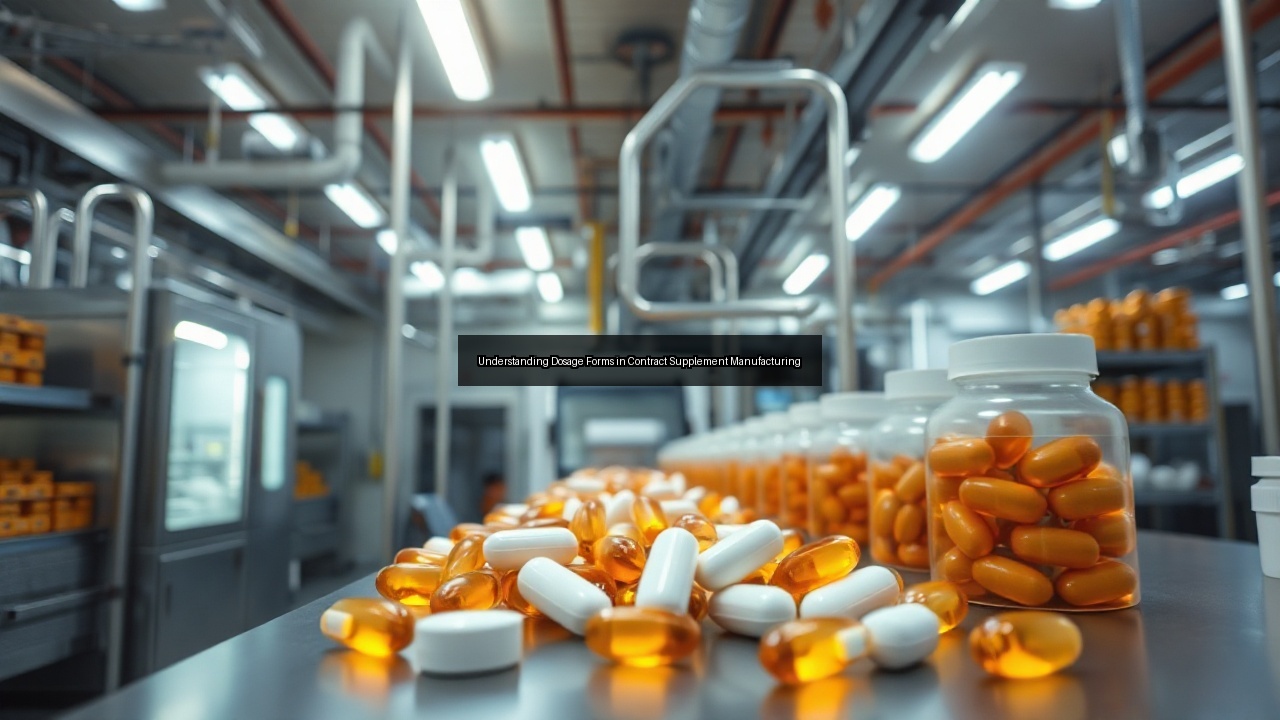
Exploring Dosage Forms in the Supplement Industry
Overview of Dosage Forms
Dosage forms represent the vehicle through which dietary supplements deliver active ingredients to consumers. These forms enable precise dosing and contribute significantly to the product’s effectiveness and user experience. The variety of dosage forms available in the supplement industry includes capsules, tablets, powders, and more specialized formats like effervescent tablets and oral dissolvable tablets (ODT). Each type of dosage form possesses distinct characteristics that cater to different consumer preferences and needs. For example, ODTs dissolve on the tongue without water, making them convenient for individuals who have difficulty swallowing pills. Understanding these different forms and their applications is essential for supplement manufacturers aiming to create effective and appealing products.
Importance of Dosage Forms in Supplements
Dosage forms play a crucial role in the supplement industry, influencing not only the bioavailability of active ingredients but also consumer compliance and satisfaction. A well-designed dosage form can enhance the absorption of nutrients and ensure that consumers receive the intended benefits. For instance, gel forms often allow for faster absorption compared to traditional tablets. Furthermore, the sensory attributes of dosage forms—such as taste, texture, and appearance—can significantly impact a consumer's willingness to take a supplement regularly. Manufacturers must prioritize these factors when designing their products, as the right dosage form can greatly affect market success. In a competitive landscape, understanding and innovating dosage forms can provide a significant edge for supplement manufacturers.
Common Dosage Forms: ODT, Gel, and Effervescent Tablets
Among the diverse array of dosage forms, oral dissolvable tablets (ODT), gel capsules, and effervescent tablets stand out for their unique advantages. ODTs are particularly popular due to their convenience; they dissolve quickly in the mouth, making them ideal for on-the-go supplementation. They cater to consumers who may struggle with swallowing pills, thus expanding the market reach for manufacturers. Gel capsules, on the other hand, offer a smooth and easy-to-swallow alternative to traditional tablets. They enhance the bioavailability of active ingredients, particularly fat-soluble vitamins, by encapsulating them in a gelatinous matrix. Effervescent tablets provide another innovative option, delivering a refreshing and fizzy experience that can mask unpleasant tastes and improve user compliance. Understanding these common dosage forms allows contract supplement manufacturers to tailor their offerings to meet specific consumer preferences while maximizing efficiency and effectiveness.
The Role of Contract Supplement Manufacturers
How Contract Manufacturers Operate
Contract supplement manufacturers serve as vital partners for brands looking to bring their products to market without investing heavily in their own manufacturing infrastructure. These manufacturers operate by leveraging their established facilities, expertise, and economies of scale to produce supplements according to their clients' specifications. The process begins with collaboration between the supplement brand and the contract manufacturer to define product formulations, dosage forms, and production timelines. Once the formulation is finalized, the manufacturer manages the entire production process, from sourcing raw materials to quality assurance. This arrangement allows brands to focus on marketing and distribution while ensuring that their products are manufactured to high standards. By outsourcing production to a contract supplement manufacturer, businesses can save time and resources, allowing them to respond quickly to market demands.
Benefits of Partnering with a Contract Manufacturer
Partnering with a contract supplement manufacturer offers numerous advantages that can enhance a brand's market presence and operational efficiency. First, contract manufacturers provide specialized knowledge and expertise in supplement formulation and production, helping brands navigate complex regulatory requirements and quality standards. This expertise ensures that products meet safety and efficacy benchmarks, which is crucial in gaining consumer trust. Additionally, contract manufacturers often possess advanced technology and equipment, allowing for efficient production processes that can reduce lead times and costs. Brands can also benefit from the flexibility of scaling production up or down based on demand without the burden of managing their own facilities. This adaptability is essential in the fast-paced supplement industry, where consumer preferences can shift rapidly. Ultimately, the strategic partnership with a contract manufacturer can empower brands to innovate and expand their product lines while minimizing operational risks.
Quality Controls in Contract Supplement Manufacturing
Quality control stands as a cornerstone of contract supplement manufacturing. Ensuring that products meet stringent quality standards is paramount for both the manufacturer and the brand. Reputable contract manufacturers implement comprehensive quality control systems at various stages of production. This includes rigorous testing of raw materials before they enter the manufacturing process, monitoring of environmental conditions during production, and thorough testing of the final products. These quality controls typically adhere to Good Manufacturing Practices (GMP), which outline the necessary standards for safety, quality, and efficacy in manufacturing. By maintaining these high-quality standards, contract manufacturers help brands mitigate risks associated with product recalls and non-compliance. Additionally, maintaining transparency in quality control processes fosters trust between the manufacturer and the brand, crucial for long-term partnerships in the supplement industry.
Sustainability in Supplement Manufacturing
Sustainable Practices in Dosage Form Production
Sustainability has emerged as a key consideration in supplement manufacturing, driven by increasing consumer awareness and demand for eco-friendly products. Many contract supplement manufacturers are adopting sustainable practices in the production of dosage forms. This includes sourcing raw materials from responsible suppliers, utilizing renewable energy in the manufacturing process, and implementing waste reduction strategies. Sustainable packaging also plays a significant role, with many manufacturers opting for recyclable or biodegradable materials to minimize environmental impact. By integrating sustainability into their operations, manufacturers not only meet consumer expectations but also contribute positively to the planet. This proactive approach can enhance a brand's reputation and appeal among environmentally conscious consumers, providing a competitive advantage in the crowded supplement market.
Impact of Inventory Management on Sustainability
Effective inventory management significantly impacts sustainability in supplement manufacturing. By optimizing inventory levels and reducing excess stock, manufacturers can minimize waste and ensure that products are fresh and effective when they reach consumers. Advanced inventory management systems enable manufacturers to track raw materials and finished products accurately, reducing the likelihood of overproduction and spoilage. Additionally, efficient inventory practices can lower transportation emissions by streamlining logistics and reducing the number of shipments required. This holistic approach to inventory management not only supports sustainability goals but also enhances operational efficiency and cost-effectiveness. For contract supplement manufacturers, adopting these practices becomes essential in aligning with the growing trend toward sustainable business operations.
Future Trends in Eco-Friendly Supplement Manufacturing
The future of supplement manufacturing will likely see an increased focus on sustainability as consumer values evolve. Emerging trends include the development of plant-based dosage forms and the use of alternative, sustainable ingredients. Manufacturers will invest in research and development to create innovative formulations that leverage the benefits of natural sources while minimizing environmental impact. Additionally, advancements in technology, such as AI and machine learning, will play a role in optimizing production processes and enhancing sustainability efforts. As regulations around sustainability tighten, contract supplement manufacturers that prioritize eco-friendly practices will position themselves as leaders in the industry. By staying ahead of these trends, manufacturers can not only meet consumer demand but also contribute to a healthier planet.
See Also
- Contract Supplement Manufacturing Trends to Watch in 2024
- How Contract Manufacturers Ensure Safety and Compliance in Supplements
- The Rise of Effervescent Tablets and Innovative Dosage Forms in Supplement Manufacturing
- Unlocking the Secrets of Quality Control in Contract Supplement Manufacturing
- Sustainable Practices in the Contract Supplement Manufacturing Industry