The Role of Lubrication in Enhancing Uptime at Power Plants
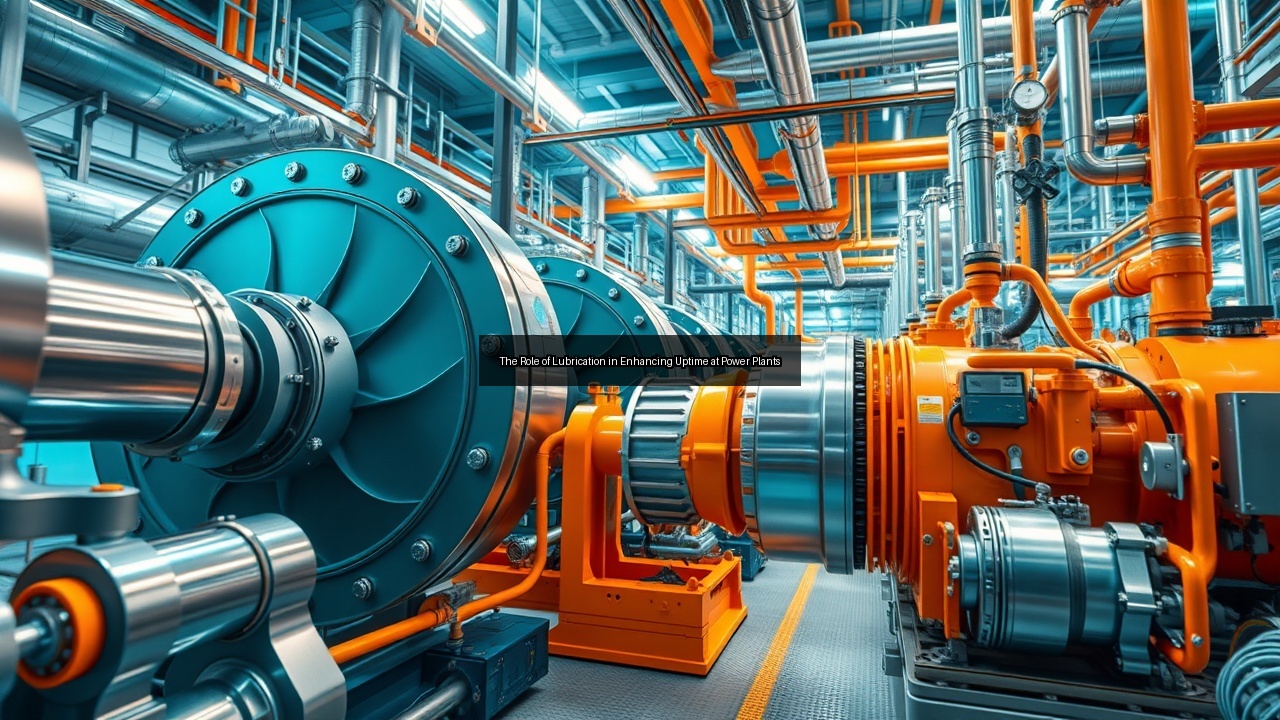
Understanding the Importance of Lubrication in Power Generation
The Role of Lubricants in Enhancing Efficiency
In power generation, lubrication plays a pivotal role in ensuring the seamless operation of machinery and equipment. Lubricants minimize friction, reduce wear and tear, and enhance overall efficiency. When machinery operates smoothly, it consumes less energy, which translates into lower operational costs. Efficient lubrication systems keep engines, turbines, and other critical components functioning optimally, allowing power plants to generate electricity more reliably. Furthermore, the right lubricants help maintain the cleanliness of engine parts, preventing the buildup of harmful deposits and varnish that can disrupt operations. This efficiency is critical in environments where uptime is paramount, such as in hydroelectric and gas plants.
Types of Lubricants Used in Power Plants
Power generation lubrication involves various types of lubricants, including oils, greases, and specialized turbine oils. Each type serves a unique purpose depending on the specific machinery and operational conditions. For instance, turbine oils are formulated to withstand high temperatures and pressures typical in gas turbines, ensuring long-lasting protection against wear. Similarly, greases provide a thicker protective layer for components subjected to heavy loads and slow speeds, such as bearings in wind turbines. Power plants often rely on OEM (original equipment manufacturer) specifications to select the appropriate lubricants, ensuring compatibility and optimal performance across diverse equipment. The careful choice and application of these lubricants directly influence the reliability and longevity of power generation systems.
Impact of Lubrication on Reliability and Downtime
Effective lubrication significantly impacts the reliability and downtime of power plants. Inadequate lubrication can lead to increased friction and heat, causing premature equipment failure and unexpected outages. Such downtimes can be costly, not only in terms of lost electricity generation but also in terms of repair and maintenance costs. Regular monitoring of lubrication systems, alongside proactive maintenance strategies, can mitigate these risks. Condition monitoring technologies play a vital role in assessing the health of lubrication systems, allowing operators to identify potential issues before they escalate. By ensuring that machinery is adequately lubricated, power plants can enhance their uptime and ensure consistent electricity delivery to the grid.
Lubrication Strategies for Various Power Generation Types
Hydroelectric Power Plants: Unique Lubrication Needs
Hydroelectric power plants present unique challenges and requirements for lubrication. The environments in which these plants operate often include exposure to water, humidity, and varying temperatures. As a result, lubricants must provide excellent protection against corrosion and water contamination. The use of water-resistant greases and oils is common in hydroelectric power systems to safeguard critical components such as bearings and gears. Additionally, condition monitoring systems help ensure that lubrication remains effective despite potential contamination from the surrounding environment. Regular maintenance and inspection of lubrication systems in hydroelectric plants can enhance reliability and reduce unforeseen downtimes, thereby maximizing the efficiency of electricity generation.
Gas Turbines: Optimal Lubricant Selection
Gas turbines demand specific lubrication solutions due to their operating conditions, which involve high temperatures and pressures. Selecting the right lubricants for gas turbines is crucial for maintaining optimal performance and extending equipment lifespan. Turbine oils formulated with advanced additives are essential to provide thermal stability and resistance to oxidation, ensuring that the oil remains effective over extended operational periods. Moreover, the presence of varnish can severely impact gas turbine performance, leading to increased maintenance costs and downtime. Implementing effective lubrication management strategies, including periodic oil analysis and condition monitoring, allows operators to maintain optimal lubrication conditions while minimizing the risk of varnish formation.
Wind Turbines: Ensuring Uptime Through Effective Lubrication
Wind turbines rely on effective lubrication to ensure continuous operation in often harsh environments. Given their exposure to varying weather conditions, lubricants must be robust enough to withstand moisture and temperature fluctuations. The use of specialized greases and oils designed for wind turbine applications plays a critical role in protecting components such as gearboxes and bearings. Regular maintenance, including the monitoring of lubricant condition and replenishment, can prevent costly downtimes. Furthermore, training personnel on generation lubricants lubrication best practices enhances the effectiveness of lubrication strategies, ensuring that wind turbines can operate efficiently and reliably while contributing to the renewable energy landscape.
Technological Advances in Power Generation Lubrication
Condition Monitoring Technologies for Lubrication Systems
Technological advancements have revolutionized lubrication management in power generation. Condition monitoring technologies allow for real-time assessment of lubrication systems, providing valuable insights into lubricant performance and equipment health. These systems utilize sensors and data analytics to detect changes in viscosity, temperature, and contamination levels, enabling operators to make informed decisions regarding maintenance and lubricant replacement. By implementing condition monitoring, power plants can significantly reduce the risk of equipment failure and unplanned downtime, leading to enhanced operational efficiency and reliability. This proactive approach to lubrication management represents a significant shift towards data-driven maintenance strategies in the energy sector.
Grease Guns and Their Importance in Maintenance
Grease guns play a crucial role in the maintenance of power generation equipment. These tools ensure that grease is applied precisely where needed, allowing for effective lubrication of bearings and other components. Proper application of lubricants prevents wear and tear, ultimately extending the lifespan of machinery. Additionally, the use of grease guns simplifies the maintenance process, making it easier to adhere to lubrication schedules. Training maintenance personnel on the correct usage of grease guns and lubrication techniques can lead to improved equipment performance and reliability. Regular lubrication with the right tools significantly contributes to minimizing downtime and enhancing the overall efficiency of power plants.
Inventory Management and Its Role in Lubrication Efficiency
Effective inventory management is essential for maintaining lubrication efficiency in power generation. Ensuring that the right lubricants are available when needed minimizes delays in maintenance and prevents the use of incorrect products. Implementing an organized inventory system helps track lubricant usage and expiration dates, allowing for timely replenishment. Moreover, integrating inventory management with condition monitoring systems can further enhance efficiency by predicting lubricant needs based on operational data. This holistic approach to managing lubrication resources enables power plants to optimize their maintenance strategies, ultimately leading to increased uptime and reduced operational costs.
Cost Implications of Lubrication on Power Plant Operations
Maintenance Costs vs. Uptime: Finding the Balance
Balancing maintenance costs with uptime is a critical consideration for power plants. While investing in high-quality lubricants and advanced lubrication systems may require upfront capital, the long-term benefits often outweigh these initial expenses. Effective lubrication prevents costly equipment failures and unplanned downtimes, which can severely impact revenue. Operators must analyze the cost-benefit ratio of their lubrication strategies, identifying areas where investment in quality lubricants can lead to significant savings in maintenance and downtime costs. By prioritizing lubrication efficiency, power plants can enhance their operational performance while managing expenses prudently.
The Economic Impact of Varnish and Contamination
Varnish and contamination in lubrication systems represent significant economic challenges for power generation facilities. The presence of varnish can lead to equipment inefficiencies, increased maintenance costs, and unexpected downtimes. Contaminants can degrade lubricant performance, reducing its effectiveness and leading to mechanical failures. Power plants must implement effective lubrication management strategies to mitigate these risks. Regular oil analysis and condition monitoring can help detect varnish formation and contamination early, allowing for proactive maintenance measures. Addressing these issues not only protects equipment but also contributes to enhanced reliability and lower overall operational costs.
Expertise and Training in Lubrication Best Practices
Investing in expertise and training for personnel involved in lubrication practices is essential for optimizing power generation lubrication strategies. Well-trained staff can identify lubrication issues early, ensuring timely intervention and maintenance. Understanding the specific lubrication needs of different equipment types, such as turbines, engines, and pumps, allows operators to tailor their approaches effectively. Additionally, fostering a culture of continuous improvement through ongoing training can keep maintenance teams updated on the latest technologies and best practices. By prioritizing expertise in lubrication management, power plants can enhance efficiency, reduce downtime, and ultimately improve their bottom line.
See Also
- Engine Lubrication Strategies for Enhanced Power Generation
- Exploring the Link Between Lubrication and Electricity Generation
- Innovative Greases for Extreme Conditions in Power Generation
- Cost-Effective Maintenance of Power Generation Systems through Lubrication Best Practices
- Hydroelectric Power and Lubrication Strategies for Optimal Performance