Future Trends in PEEK Machined Parts for Industrial Applications
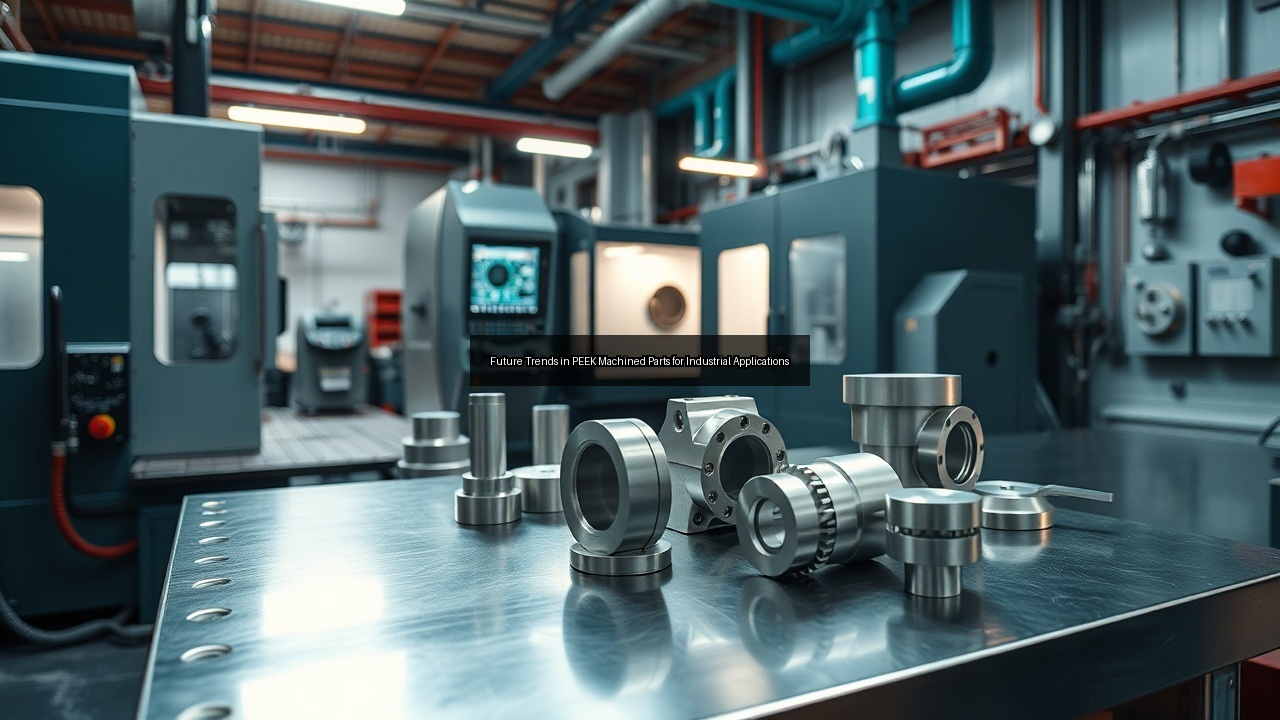
Emerging Trends in PEEK Machined Parts
Growing Demand in Industrial Applications
PEEK machined parts have gained significant traction in various industrial applications due to their exceptional mechanical properties and thermal stability. Industries such as aerospace, automotive, and medical are increasingly opting for polyether ether ketone (PEEK) due to its lightweight, high strength, and resistance to chemicals and extreme temperatures. The demand for PEEK machined parts is expected to surge as industries look for materials that can outperform traditional metals and plastics. As manufacturers prioritize efficiency and performance, PEEK emerges as a go-to solution, driving innovations in design and application. This trend reflects a broader shift toward utilizing advanced engineering plastics in environments where performance is non-negotiable.
Advancements in CNC Machining Technologies
The evolution of CNC machining technologies has revolutionized the production of PEEK machined parts. Modern CNC milling machines equipped with advanced tool paths and automation capabilities enhance precision and speed. High-speed machining techniques allow for increased productivity while maintaining tight tolerances. These advancements enable manufacturers to produce complex geometries that were once deemed impractical with traditional manufacturing methods. Furthermore, the integration of intelligent software solutions streamlines the machining process, minimizing waste and optimizing resource use. As CNC machining continues to advance, it further solidifies PEEK's position as a preferred material for high-performance applications, driven by the need for accuracy and reliability.
Integration of Engineering Plastics in High-Performance Settings
Engineering plastics like PEEK are gaining ground in high-performance environments due to their unique properties. Unlike conventional plastics, PEEK offers superior mechanical strength and thermal resistance, making it suitable for demanding applications. Industries are embracing the integration of these advanced materials into critical components, such as valves and fixtures, where performance is paramount. The ability of PEEK to withstand high pressures and temperatures makes it an ideal choice for components that experience extreme conditions. This trend highlights a shift in material selection, as industries increasingly recognize the advantages of engineering plastics over traditional materials, leading to enhanced performance and longevity in various applications.
Innovations in Machining Techniques for PEEK
CNC Machining vs. Traditional Methods
CNC machining has transformed the landscape of manufacturing PEEK machined parts, offering distinct advantages over traditional machining methods. Traditional techniques often struggle with the unique challenges presented by PEEK, such as its toughness and tendency to deform under heat. CNC machining, on the other hand, provides precise control over cutting parameters, allowing for the effective handling of PEEK's properties. The automation and repeatability of CNC processes reduce the risk of human error, leading to higher quality parts with consistent tolerances. This precision is vital in sectors where even the slightest deviation can result in significant operational issues, further establishing CNC machining as the superior choice for producing high-quality PEEK components.
Enhancements in Tool Wear Resistance
Tool wear remains a critical concern in the machining of PEEK due to its abrasive nature. Innovations in tool materials and coatings are addressing this issue, enhancing the longevity and performance of cutting tools. Advanced carbide tools and diamond-coated inserts exhibit improved wear resistance, allowing manufacturers to achieve higher productivity levels without compromising part quality. These enhancements not only extend tool life but also reduce downtime and maintenance costs associated with frequent tool changes. As tool technology continues to advance, the machining of PEEK parts becomes more efficient, enabling manufacturers to push the boundaries of design and performance.
Impact of Surface Finish on Performance
The surface finish of PEEK machined parts plays a crucial role in their overall performance and functionality. A well-executed surface finish can enhance the material's resistance to wear and corrosion, thereby extending the life of components in demanding applications. Techniques such as precision grinding and polishing can create surface finishes that optimize the interaction between PEEK parts and their operational environments. machined PEEK part Furthermore, improved surface finishes can reduce friction and enhance sealing properties, particularly in applications involving fluids or gases. Manufacturers increasingly recognize the importance of investing in quality surface finishing techniques to ensure that their PEEK machined parts meet the high standards required in industrial settings.
Cost and Efficiency in PEEK Machining
Analyzing Cost-Effectiveness of PEEK Components
Cost-effectiveness remains a critical factor in the decision-making process for manufacturers considering PEEK machined parts. While the initial material cost of PEEK is higher than that of conventional plastics, its long-term benefits often outweigh these expenses. PEEK’s durability and resistance to wear and tear contribute to lower maintenance costs and extended component life. Additionally, the ability to produce complex designs with CNC machining reduces the need for multiple parts, further enhancing cost efficiency. Manufacturers are increasingly conducting life-cycle cost analyses to understand the total value of investing in PEEK components, recognizing that the upfront costs can lead to significant savings in operational expenses over time.
Comparative Study: Injection Molded vs. CNC Machined PEEK Parts
Comparing injection molded PEEK parts to CNC machined PEEK components reveals distinct advantages and limitations for each method. Injection molding offers rapid production rates and is ideal for high-volume runs, but it may sacrifice precision and complexity in part design. CNC machining excels in creating intricate geometries and achieving tight tolerances, making it suitable for low to medium production volumes where quality is paramount. However, the machining process can be time-consuming and costly. Understanding the nuances of both methods allows manufacturers to select the best approach based on their specific requirements, balancing production speed with the need for precision and performance.
Optimizing Tolerances for Industrial Applications
Optimizing tolerances in PEEK machining is vital for ensuring the reliability and performance of components in industrial applications. Tight tolerances enhance the fit and function of parts, particularly in high-stakes environments such as aerospace and medical devices. Advanced CNC machining techniques allow for precise control over dimensions, enabling manufacturers to meet stringent tolerance requirements. The ability to achieve exact specifications reduces the likelihood of failure and enhances the overall integrity of the assembly. As industries continue to demand higher reliability, the focus on optimizing tolerances in PEEK machined parts will only intensify, leading to more rigorous quality standards and testing protocols.
Future Outlook and Market Potential
Predicted Growth in the PEEK Market
The PEEK market is poised for significant growth as industries increasingly recognize the advantages of this advanced engineering plastic. Analysts predict that the demand for PEEK machined parts will expand, driven by its applications in high-performance sectors. The unique properties of PEEK, such as its high thermal stability and chemical resistance, make it an attractive option for manufacturers looking to innovate and improve product performance. As technological advancements continue to emerge, the market for PEEK parts will likely see both new applications and increased competition among producers, spurring further innovation and investment in this sector.
Potential Applications in Aerospace and Automotive Industries
Aerospace and automotive industries stand to benefit immensely from the integration of PEEK machined parts. In aerospace, components made from PEEK can withstand extreme temperatures and pressures, making them ideal for applications in engines and structural components. The lightweight nature of PEEK also contributes to fuel efficiency, a critical factor in modern aircraft design. Similarly, in the automotive sector, PEEK is gaining traction for use in fuel systems, valves, and other critical components that require high performance under challenging conditions. As these industries continue to evolve, the demand for reliable and high-performing materials like PEEK will undoubtedly rise, driving further innovation and application development.
Sustainability and Recycling of PEEK Materials
Sustainability is becoming a central theme in the development and use of PEEK materials. As environmental concerns grow, manufacturers are exploring options for recycling PEEK components to minimize waste and reduce the carbon footprint. PEEK's inherent durability and resistance to degradation make it a candidate for recycling, offering opportunities to reclaim valuable resources. By developing processes for recycling PEEK, manufacturers can not only contribute to sustainability efforts but also reduce material costs and promote a circular economy. The future of PEEK in industrial applications will likely involve a focus on sustainability, aligning with global trends toward greener manufacturing practices.